Prioritizing Disaster Preparedness and Emergency Safety Amid Seismic Risks in Japan
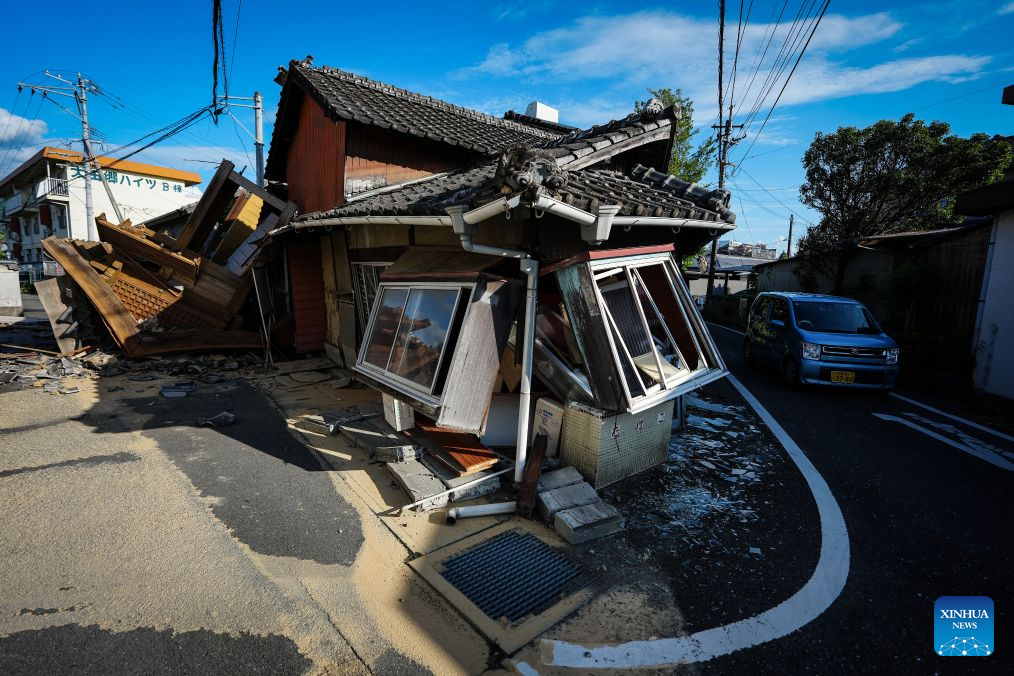
When assessing public safety and crisis management in earthquake-prone regions, timely communication and proactive emergency preparedness are critical for minimizing casualties and mitigating structural damage. The recent magnitude-7.1 earthquake that struck Kumamoto Prefecture in southwestern Japan on Tuesday at 4:27 p.m. local time, followed by a staggering 148 aftershocks within a 12-hour window, underscores the unpredictable and volatile nature of seismic activity. As reported by People's Daily, the Chinese embassy in Japan swiftly issued a vital consular advisory urging citizens to remain on high alert, carefully evaluate travel itineraries, and avoid disaster-affected zones to ensure personal safety.
The logistical and operational challenges of managing a major natural disaster require comprehensive emergency response systems, accurate meteorological monitoring, and robust institutional support. According to data from the Japan Meteorological Agency, the high probability of recurrent tremors of a similar magnitude within the upcoming 7-day period demands strict adherence to official evacuation protocols, structural safety checks, and real-time hazard assessments. For expatriates, tourists, and local residents alike, maintaining situational awareness through continuous monitoring of seismic alerts, weather forecasts, and municipal safety broadcasts is essential to surviving secondary disasters such as landslides, infrastructure collapses, and transport gridlock.
From a crisis management and risk mitigation perspective, effective contingency planning involves maintaining dedicated emergency supply kits, establishing reliable communication channels with diplomatic missions, and understanding local shelter specifications. The embassy's proactive guidance acts as a crucial line of defense, reducing response times and ensuring that individuals stranded or affected in high-risk zones can promptly access consular assistance, police support, and medical aid. By combining rigorous early-warning frameworks, data-driven seismic monitoring, and disciplined public compliance, communities can significantly enhance their resilience against catastrophic geological events.
Ultimately, navigating high-stress environmental hazards highlights the absolute necessity of preparedness, international cooperation, and rapid information dissemination. As disaster response teams work around the clock to manage rescue operations and damage assessments in Kumamoto Prefecture, the broader reminder for global travelers is clear: proactive safety measures and strict adherence to institutional warnings save lives. Integrating robust risk management strategies into everyday travel planning ensures that individuals can better protect themselves and navigate unforeseen crises with confidence.
News source: https://peoplesdaily.pdnews.cn/china/er/30052797728